
February 8-10, 2027 - Hyatt Regency, St. Julians, Malta
Artificial Intelligence (AI) for Biorisk Management – Workshop

This program is designed for biosafety and biosecurity professionals, laboratory managers, executive and government officials, laboratory support staff, health and safety professionals, researchers, and containment engineers who want to understand how artificial intelligence (AI) can be applied to strengthen biorisk management. Whether you work in or with laboratories directly, support labs, or work in a regulatory context, the workshop will equip you with both the knowledge and skills to responsibly integrate AI into your biosafety and biosecurity practice.
As part of our workshop, we are integrating cyberbiosecurity into biorisk management, looking at vulnerability of bio-digital assets, science data, laboratory and facility systems, digital storage, and high-consequence information. These areas will be discussed and classified. Control and risk mitigation strategies will be addressed based on realistic cyberbiosecurity scenarios.
At the same time, we will discuss and explore the use of specific AI systems in biorisk management, their benefits, utility, governance, and enable participants to develop business cases, policies, and customized governance structures. In addition, participants will learn to identify potential weaknesses and vulnerabilities in AI systems to inform appropriate safeguards and governance mechanisms.
Participants are not expected to have advanced expertise in artificial intelligence (AI), however, a basic understanding of AI and some familiarity with commercial AI tools (e.g., ChatGPT, Gemini) will be beneficial.
Who is this Course For?
Biosafety & Biosecurity Professionals
Apply AI to strengthen biorisk assessments, incident trend analysis, and SOP updates without compromising safety or compliance. Integrate AI into facility workflows while incorporating cyberbiosecurity considerations and governance tools.
Laboratory Managers
Streamline workflows and training, forecast inventory, and monitor compliance with AI-assisted dashboards and checklists. Verify AI integrity, assess bias, and identify hallucination.
Researchers & Principal Investigators
Explore how AI can support research workflows, including literature review and safe-by-design considerations, while developing awareness of risks, limitations, and implications for research integrity and governance.
Health & Safety (EHS) Professionals
Explore the potential of AI to support hazard identification, incident analysis, and safety communication, with a focus on responsible use, transparency, and alignment with governance and compliance practices.
IT Professionals
Develop an understanding of the intersection between AI, IT, and cyberbiosecurity, including key considerations for integrating AI into organizational systems while supporting compliance and governance efforts.
Laboratory Support Staff
Speed up SOP lookup, COA verification, and stock planning with secure, AI-assisted task guidance.
Containment Engineers
Gain foundational knowledge of AI and its potential role in containment engineering, including considerations for system reliability, documentation, and risk-informed decision-making.
Executives & Directors
Inform governance for the responsible implementation of AI within their institutions and support resource planning through AI-ready KPIs, policy alignment, and risk-based prioritization. Strengthen readiness for regulatory requirements and responsible oversight.
Government & Regulatory Officials
Engage with evolving governance challenges and policy discussions related to AI, supporting informed decision-making. Explore pathways to operationalize governance frameworks, while responsibly leveraging AI for oversight, audit readiness, and evidence synthesis.
What will you Learn?
After successfully completing this course, participants will be better prepared and skilled in utilizing AI in their environment, identify opportunities, challenges, and risks and contribute to informed, proactive governance discussions around this technology while beginning to future-proof their profession.
- Understand the foundations of AI and its relevance for laboratory biorisk management
- Explore real-world and innovative biosafety and biosecurity applications, from SOP reviews to compliance monitoring, incident analysis, risk assessment, laboratory automation, etc
- Develop new approaches to biocontainment involving embodied, agentic AI
- Learn how AI will radically change the work and science involving infectious agents and pathogens
- Discuss the ethical, safety, and dual-use implications of AI, the impact on cyberbiosecurity, its risks and benefits
- Strengthen critical thinking for responsible adoption and governance
- Assess AI systems to identify potential weaknesses, biases, hallucinations, and risks in order to inform appropriate safeguards and governance measures. Apply best practices for the responsible implementation and use of common AI tools and providers
- AI Fundamentals of cyberbiosecurity and how to address it
- Explore and understand governance frameworks such as ISO/IEC 42001:2023 and NIST frameworks, including key considerations for their application
Frequently Asked Questions
What is the format?
The workshop combines theory and practice through expert presentations, guided discussions, case studies, and interactive exercises. Participants are expected to bring their own laptop for online and offline interactive use of AI during the workshop. The course language is English.
Who will Instruct?
BRMI has assembled an international team of instructors with unique expertise in biorisk management, artificial intelligence, laboratory management, science and technology, and business IT.
Why Malta?
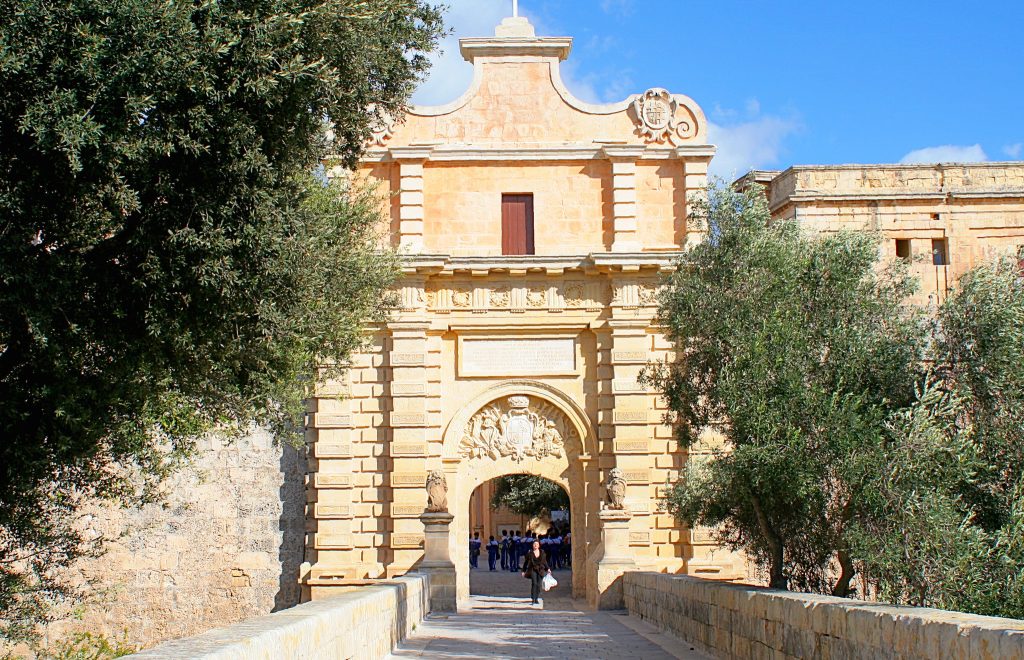
Malta, as a part of the European Union, is a set of three islands in the Mediterranean south of Sicily. Its strategic location and international airport make it easy to access from Europe, the Middle East and Africa. English is the second language, and the climate in November is very comfortable, autumn weather.
Discover Malta
The course fee is set at € 1,500 and covers:
- Three-day workshop (Monday through Wednesday).
- Morning and afternoon break refreshments and lunch
- BRMI certificate
- Lifetime access to the BRMI learning network
- VAT 18% (€225.00)
- Special hotel room discount, incl. breakfast
Please contact us at: om@bioriskinternational.com for more information.


Venue
The workshop will take place from February 8-10, 2027, for three full days (Monday through Wednesday). It is recommended that you arrive in Malta latest on Sunday the 7th and depart on Thursday the 11th or later if you would like to explore Malta. We have booked the Hyatt Regency in St. Julian’s (Malta), with a special room rate for participants (Rate TBD). The room rate includes breakfast! We will provide you with your room rate discount code as well as room reservation instructions upon receipt of your workshop registration!
The hotel is at the famous St. George’s Bay in St Julian’s, with excellent restaurants, bars, and shops within walking distance along the waterfront!
Tours
Malta has an incredible history and is famous for its churches (365), sea caves, and some of the oldest temples in the world (3600 BC). The capital city, Valletta, is the smallest capital city in Europe and is truly worthwhile to explore. If there is interest after the workshop (Thursday or Friday), we can arrange tours. Please let us know when you register for the course.
Weather
In comparison to the rest of Europe, Malta’s weather in November is pleasant, with average daytime highs around 20°C (68°F) and nighttime lows around 14°C to 15°C (57°F-59°F). The sea remains warm, averaging 20°C (70°F), suitable for swimming.
Airport
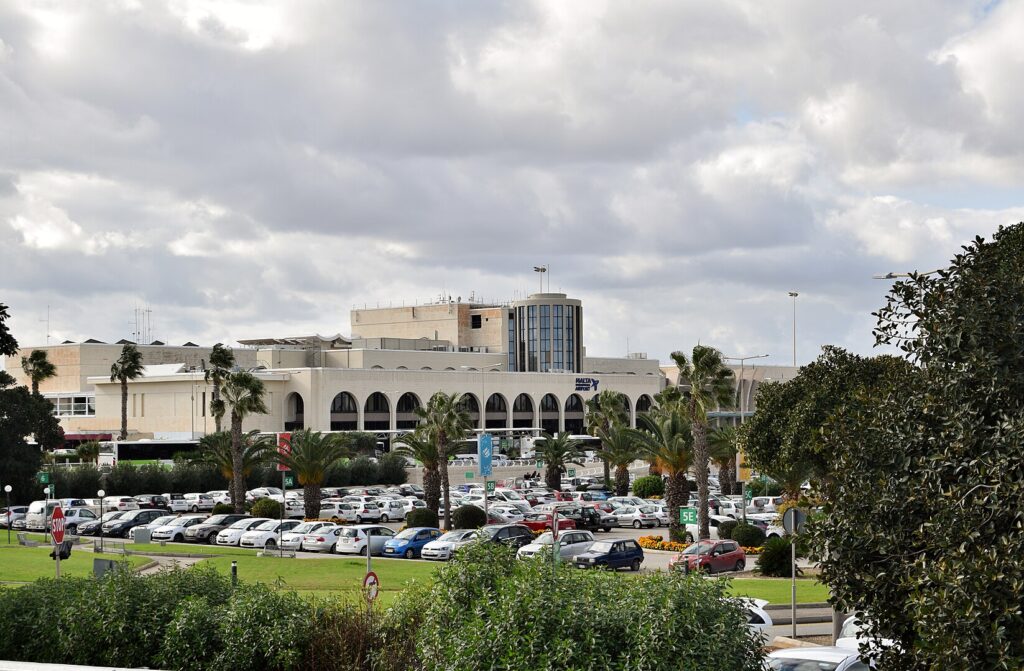
The Malta International Airport (MLA), also known as the Valletta Airport, is the only airport in Malta and serves all the Maltese Islands (Malta, Comino, and Gozo). The workshop is on the main island (Malta), and the hotel is a 10-15 minute drive away via Taxi, Uber, or Bolt. If you like to use Uber or Bolt, make sure you have the app on your phone.